

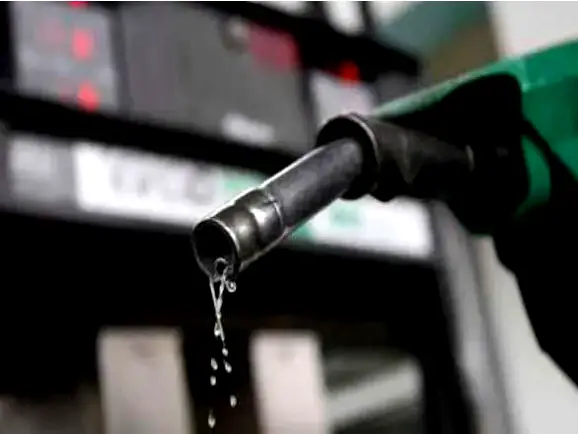
As the price of Automotive Gas Oil again increases, it becomes germane to consider the plight of business owners whose sustainability of business largely depends on electricity. Of such is the hotelier, who is saddled with the critical responsibility of providing utmost comfort to customers in a serene environment, with the target of encouraging continuous patronage and invoking customer recommendation.
The hotel business in Nigeria is popularly acknowledged to be a seductively lucrative business, which although might require a staggering start up capital, undeniably yields an exorbitant and rewarding profit return in the long run. These profits and revenues are generated in hotel tariffs, inflated prices of foods, beverages and other edibles made available by the in-house restaurant and bar, sale of meeting and conference rooms among others. However, as rewarding as the hotel investment appears, a Nigerian hotelier may currently not be of like sentiment as the price of the diesel fuel further flies high.
Members of the middle and high classes of the society often resort to lodging in hotels for a myriad of reasons, but in any case, the pleasure of comfort is non-negotiable. Comfort in this wise includes an airy environment, constant electricity supply, and overall, a relaxing ambience. When any of these factors are lacking, a hotel holds little to zero appeal to potential customers. Needless to say, hardly would anyone care to expend that which more or less is tantamount to a nation’s stipulated minimum wage for workers on a single night endured in absolute distress. It is most unlikely that a customer would pay for a room where he is likely to battle mosquitoes, grope around in darkness or otherwise help himself with his phone’s torch, and then awake to find himself drenched in sweat due to the lack of sufficient ventilation.
So in order to avoid disconcerting episodes such as these, hotel owners, in a desperate effort to keep their business operational, wisely opted for secondary power providers such as the generator and the solar panel system. Now, while the latter is ecologically-friendly and relatively cheaper to maintain, the cost of a panel size that can power an entire hotel cannot be lightly termed as affordable; moreover many hoteliers lack the expanse of land required for its installation. To this end, a generator becomes the preferred alternative.
Ordinarily, the primary source of electric power for domestic and industrial uses should be power amply and consistently supplied by the government, but as the Nigerian Electricity Distribution Company remains infamous for its undenpendably random supply of electricity, a hotel owner, whose business is heavily reliant on electricity to thrive, is left with no choice than to procure a generator which-considering the extensive load to be placed on it-cannot be powered by any lesser than the Automotive Gas Oil- diesel. But with the price of the hotelier’s highly coveted diesel having again surged, and this time to the alarming cost of #800 per litre, a hotel owner in Nigeria finds himself in a bit of a quagmire. How does he power his establishment, maintain his facilities electrically and still make good profit? At this rate it won’t come as a shock to find some hotel owners straying towards downsizing their workforce in order to keep a stable profit margin and consequently plunging several more souls into the dismal abyss of unemployment. All in all, if before the Nigerian hotelier has a bone to pick with the State Government over claims of excessive tax impositions, now it would seem, he has got a even bigger bone to pick with the Federal Government over seemingly unconscionable increment in the price of diesel fuel.
Badmus Miracle